Vietnam looks like one long country on the map, but it behaves like three different destinations once you factor in weather. A sunny beach week in Da Nang can line up with cool, misty mornings in Hanoi, while Ho Chi Minh City stays warm year-round and mainly shifts between “dry” and “downpour.”
Planning the best time to visit Vietnam gets much easier when you think in regions first, then fine-tune by month based on what you want to do: city sightseeing, cruises, beach time, trekking, festivals, or a mix of everything.
Vietnam’s weather in one simple idea
Vietnam stretches across multiple climate zones, so there is no single perfect month for the entire country. Instead, there are good travel windows that rotate by region.
A practical way to decide is to start with your priority, then match it to the region’s best conditions:
- Best for comfortable cities: North (Hanoi) in Oct to Dec and Feb to Apr, South (Ho Chi Minh City) in Dec to Mar
- Best for beaches: Central coast (Da Nang, Hoi An, Nha Trang) in Feb to Aug, Phu Quoc in Dec to Apr
- Best for mountains and trekking: Sapa and Ha Giang in Oct to Nov or Mar to Apr
- Best for cultural holidays: Tet (late Jan or Feb), Mid-Autumn (Sep, lunar calendar timing varies)
Best time by region at a glance (with month notes)
Use this as your quick planning compass. “Best” here means a strong mix of lower rainfall, manageable humidity, and good visibility for outdoor activities.
| Month | North Vietnam (Hanoi, Sapa, Ha Long) | Central Vietnam (Hue, Da Nang, Hoi An) | South Vietnam (HCMC, Mekong, Phu Quoc) |
|---|---|---|---|
| Jan | Cool, drier, can feel chilly in Hanoi and mountains | Mild, some rain, comfortable for heritage sites | Dry, sunny, great for city and islands |
| Feb | Pleasant, popular travel month, Tet can affect schedules | Warmer, improving beach conditions | Peak dry season, excellent overall |
| Mar | Warm spring, good visibility for cruises and hiking | Dry and bright, ideal for Hoi An and Da Nang | Hotter, still dry, great for Mekong |
| Apr | Warmer with more showers late month | Sunny and hot, strong beach month | Hot, end of dry season, humidity rises |
| May | Hot, rain begins more often | Hot, mostly dry, great if you like heat | Wet season starts, afternoon showers |
| Jun | Very humid, heavy rain risk | Hot and sunny, good beach weather | Wet, lush landscapes, storms pass quickly |
| Jul | Rainy, trekking less comfortable | Peak heat, still largely dry on central coast | Wet, humid, indoor activities help |
| Aug | Rainy and sticky, cloudier in mountains | Hot, late summer beaches still good | Wettest stretch begins in many areas |
| Sep | Rain eases later, Mid-Autumn atmosphere | Rain increases, storms possible | Very wet, flooding risk in low areas |
| Oct | One of the best months, cooler and clearer | Typhoon season concerns, heavy rain possible | Rain starts easing, shoulder season value |
| Nov | Excellent for the north, comfortable days | Rain tapers late month, mixed conditions | Drier, comfortable, good for touring |
| Dec | Cool, crisp feel in Hanoi, great for city and bay | Cooler, still some rain | Dry season returns, ideal for islands |
Northern Vietnam (Hanoi, Ha Long Bay, Ninh Binh, Sapa): when to go and why
Northern Vietnam has the most noticeable seasons. That is part of its charm: autumn light in Hanoi, spring flowers in the villages, and mountain air that can feel surprisingly cold in winter.
Best overall window: October to December, plus February to April.
These months tend to bring lower rainfall and better visibility. Days often sit in a comfortable sightseeing range, and it is easier to plan a Ha Long Bay cruise or a Ninh Binh day trip without constantly checking the radar.
October and November are favorites for good reason. After the summer monsoon, the air turns clearer, humidity drops, and the north feels fresh again. This is a strong time for Hanoi food walks, lake-side cafés, and photo-friendly day trips.
December to February is cooler and relatively dry, though “cool” in the mountains is real. In Sapa and Ha Giang, nights can drop under 50°F (10°C), and you may want proper layers. Hanoi can also feel cold because many buildings are not heated.
Spring (March to April) warms up and stays very workable for outdoor plans, though showers become more common as you move toward May. If your priority is trekking, March and early April often give a nice balance of comfortable temperatures and clearer views.
Central Vietnam (Hue, Da Nang, Hoi An): sunshine season vs storm season
Central Vietnam flips the script compared with the north. The central coast is usually at its best when the north is getting humid.
Best overall window: February to August.
This is the region’s sunnier stretch, with long beach days and generally calmer seas. It is a great match for travelers who want to combine heritage and coast: Hue’s imperial sites, Hoi An’s old town, then a beach break in Da Nang or farther south.
From May to August, it can get seriously hot. If you love beach weather, that is perfect. If you prefer milder walking temperatures for old towns and temples, aim for February to April.
September to November is the tricky period.
This is when heavy rain and typhoons are more likely, especially around Hue and the central coastline. Flooding can happen, and travel plans may need flexibility. Some travelers still go for lower prices, but it is wise to build in buffer days and keep activities adaptable.
December and January can be cooler and still wet, but they can work well for city-based trips if you are comfortable with rain and prefer fewer crowds.
Southern Vietnam (Ho Chi Minh City, Mekong Delta, Phu Quoc): dry season wins for first-timers
The south stays warm all year. The main change is rainfall, not temperature.
Best overall window: December to April.
This is dry season, which generally means clear mornings, comfortable touring, and easier logistics for river and island trips. Ho Chi Minh City is at its most walkable, and Phu Quoc typically sees its best beach days.
April is often the hottest month. If you do not love heat, March can feel like the sweet spot: plenty of sun without the peak intensity.
May to November is wet season.
That does not mean it rains all day, every day. Many showers arrive in the afternoon, hit hard, then pass. The trade-off is higher humidity and the possibility of waterlogged streets, especially later in the rainy season.
In the Mekong Delta, September and October can bring higher flooding risk in low-lying areas. Guided day trips still run, though the day’s route may change based on conditions.
Picking the best month based on your trip style
A “best time” answer changes depending on what you want the trip to feel like. Some travelers want bright beaches, others want cool trekking days, and some want cultural energy even if it comes with crowds.
If you are building your itinerary around experiences, these pairings work well:
- Tet holiday: Late Jan or Feb, festive but expect closures and booked-out transport
- Ha Long Bay cruise: Oct to Nov, or Mar to Apr for comfortable conditions
- Hoi An lantern ambiance: Year-round, with the driest stretch from Feb to Aug
- Rice terrace photography in the north: Sep to early Oct often catches golden harvest tones
Festivals and seasonal moments to consider
Vietnam’s festival calendar can be the highlight of a trip, but it also affects hotel availability, opening hours, and traffic in popular areas.
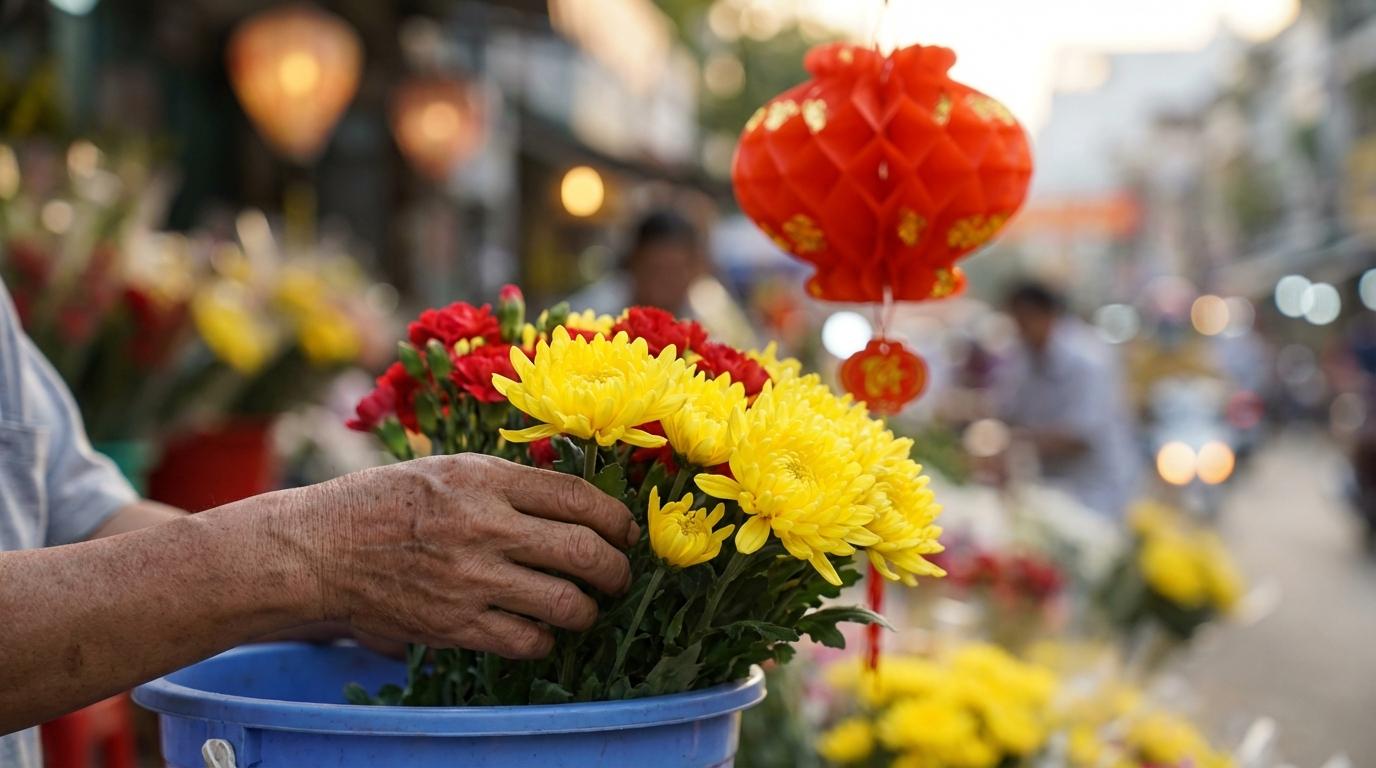
Tet, the Lunar New Year, usually falls in late January or February. It is the country’s biggest holiday. Cities empty out, family travel surges, and some restaurants and shops close for several days. The upside is atmosphere: flower markets, decorations, and a once-a-year feeling that many travelers remember for a long time.
Mid-Autumn Festival (often in September, based on the lunar calendar) brings lanterns, mooncakes, and a playful vibe, especially in family-friendly neighborhoods and old towns.
Hue also hosts major cultural events in some years around spring to early summer, and Da Nang often lights up with large-scale performances in peak summer months. If you have fixed dates, it can be worth shaping the route around a festival city rather than trying to see every region at once.
Crowd levels and pricing: what to expect
Weather is only half the story. The other half is demand.
Peak travel periods commonly include winter and spring weeks when both domestic and international travelers are on the move. Prices for cruises, flights, and well-located hotels can climb, and the best options sell out early.
Quiet travel months can feel more relaxed and better value, but you trade that for heat, rain, or storm risk depending on the region. For travelers who like a calmer pace and do not mind packing a rain jacket, shoulder periods can be a smart compromise.
What to pack by season (so you stay comfortable)
A little packing strategy goes a long way in Vietnam because the same trip can include cool mornings up north and humid afternoons down south.
Bring the basics, then add these based on your route:
- North in winter (Dec to Feb): Light jacket, layers, closed shoes for evening chill
- Central coast in summer (May to Aug): Sun protection, breathable clothing, rehydration basics
- South in rainy season (May to Nov): Quick-dry outfits, compact raincoat, footwear with grip
Planning a multi-region trip without weather stress
Many travelers want a classic Vietnam route: Hanoi, a Ha Long Bay cruise, maybe Ninh Binh, then down to Hue, Hoi An, and Ho Chi Minh City, ending with beach time. That is very doable, but timing matters.
The easiest multi-region window for first-time visitors is often late February through early April. The north is comfortable, the central coast is bright, and the south is still in dry season.
Another strong option is October to November, especially if your focus is northern scenery plus a Ha Long Bay cruise. You can still include central Vietnam, just keep an eye on late-year rain risk as you move toward Hue and Hoi An.
At Ava Travel Hanoi, local specialists often help travelers match a route to the month they have available, then fine-tune the order of destinations to stay in the best weather as much as possible. Sometimes that means starting in the south and moving north, sometimes the reverse.
A simple way to choose your dates
If you only remember one planning trick, use this: pick one “weather anchor” experience, then build the rest around it.
Want a central beach break with consistent sun? Start with Feb to Aug and add cities around that. Want mountain trekking and clear skies in the north? Aim for Oct to Nov or Mar to Apr, then add a short central or southern extension that fits.
Vietnam rewards good timing, and once the month and region match up, the rest of the trip tends to fall into place naturally.