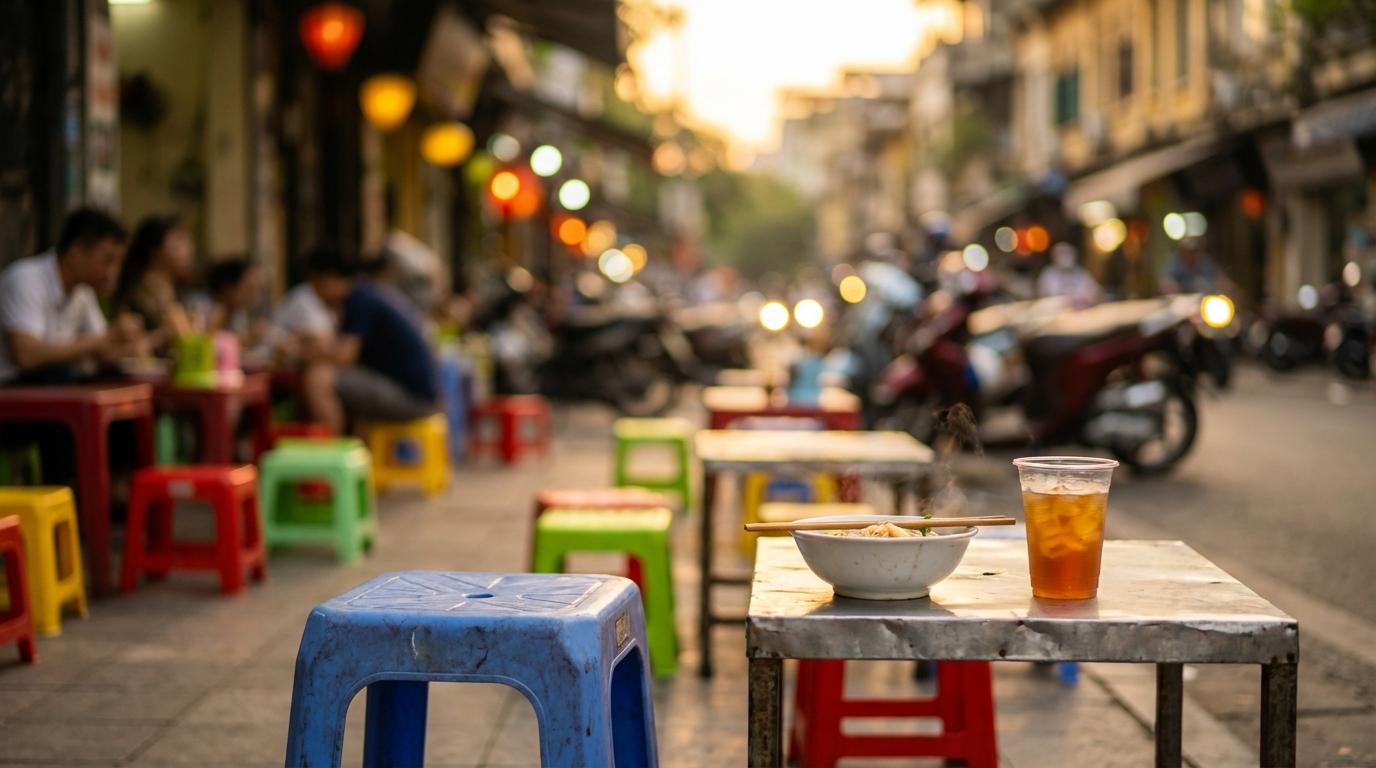
Hanoi can feel like a dozen cities at once: lakeside calm in the morning, a rush of motorbikes by lunch, and lantern-lit sidewalks at night where dinner is served on tiny stools. It’s compact enough to cover on foot in places, yet layered with history that rewards slowing down.
If you’re planning your first visit (or returning with a longer wishlist), this guide breaks down where to stay, what to see, and the local habits that make the city easier and more fun.
Getting your bearings: how Hanoi is laid out
Hanoi’s sightseeing core sits around Hoàn Kiếm Lake, with the Old Quarter just to the north and a more formal, wide-street colonial area to the south. Government and major memorial sites cluster in Ba Đình, while West Lake (Tây Hồ) spreads out to the northwest with a more residential, café-forward pace.
One practical note: districts sound far apart on a map, but traffic speed matters more than distance. A 2-mile ride can take 10 minutes or 35, depending on time of day.
Neighborhoods travelers actually use (and why)
Most visitors choose an area based on walkability, food access, and how quiet they want their evenings.
Here’s a quick comparison you can screenshot while hotel hunting:
| Area | Best for | Vibe | Easy wins nearby |
|---|---|---|---|
| Old Quarter (Phố Cổ) | First-timers, street food, short stays | Busy, energetic, tight lanes | Night market (weekends), cafés, shopping streets |
| Hoàn Kiếm (around the lake) | Walkable sightseeing, balanced pace | Central, scenic, convenient | Sunrise lake walk, museums, restaurants |
| French Quarter (Tràng Tiền area) | Architecture, calmer nights, upscale stays | Spacious, elegant, polished | Opera House area, boutiques, classic cafés |
| Ba Đình | History-focused trips, museums, monuments | Formal, leafy, structured | Mausoleum complex, museums, Imperial Citadel |
| Tây Hồ (West Lake) | Longer stays, families, café culture | Laid-back, lakeside | Sunset drinks, pagodas, brunch spots |
| Đống Đa / near Văn Miếu | Value stays, local streets | Lived-in, student energy | Temple of Literature, casual eateries |
Old Quarter is iconic, but it’s not for everyone. If you’re a light sleeper, you may prefer the lake area or French Quarter, then commute into the Old Quarter for meals and photos.
Must-see sights that are worth your time
Hanoi’s top spots are close enough to mix history, street life, and downtime without feeling rushed.
Hoàn Kiếm Lake and the Old Quarter loop
Start early. The lake is at its most local before 8:00 am, with walking groups, aerobics, and people doing tai chi. From there, you can drift into the Old Quarter’s named streets, each historically tied to a trade.
A simple way to structure the morning is: lake walk, coffee stop, then a slow loop through a handful of streets rather than trying to “cover” the whole quarter.
After you’ve had a paragraph to breathe, here are easy, high-reward stops to stitch into that loop:
- Photo-friendly corners: Hàng Mã (seasonal decorations), Hàng Gai (silk and boutiques)
- Street snacks: grilled pork and noodles, sticky rice, fresh fruit cups
- People-watching: small beer corners and sidewalk cafés
Temple of Literature (Văn Miếu)
This is one of the calmest major sights in central Hanoi, and it’s a good reset from the street noise. Go mid-morning for softer light and fewer large groups. Dress modestly and keep your voice down in the courtyards, as many visitors treat it as a cultural and spiritual space, not only a photo stop.
Ba Đình’s historical cluster
If you want the “big history” day, Ba Đình is the anchor: broad boulevards, museums, and sites tied to modern Vietnam’s story.
Plan for security lines and closures, especially around the Mausoleum complex. A local guide can help with timing, but you can also do it independently by going early and keeping your route tight.
Thăng Long Imperial Citadel
History here runs deep, with archaeological layers and a more open layout than many city museums. It’s a strong pick if you like context and want something less crowded than the lake area at peak hours.
Hoa Lò Prison Relic
This museum is heavy, direct, and memorable. Give yourself time afterward for a quiet lunch or café break. It’s not a long visit, but it can be emotionally intense.
West Lake’s pagodas and sunset views
West Lake is where many travelers go when they want Hanoi to exhale. You can pair a temple visit with a long lakeside coffee or an early dinner timed to sunset. The area is spread out, so it’s best by taxi or ride-hailing rather than on foot.
A realistic 2-day and 3-day plan (without overbooking yourself)
Hanoi rewards pacing. Build your day around two anchor activities, then let food and short stops fill the spaces.
If you have 2 days
Day 1: Hoàn Kiếm Lake early, Old Quarter wander, an afternoon museum, then evening street food.
Day 2: Temple of Literature, Ba Đình sites, West Lake at sunset.
If you have 3 days
Make Day 3 your flexible day: a cooking class, a craft village visit, a café crawl, or simply repeating your favorite neighborhood at a slower speed.
A simple way to choose is to match your Day 3 to your travel style:
- Food-first travelers: market walk plus hands-on cooking
- Culture-first travelers: museums and heritage sites with a guide
- Photo-first travelers: sunrise lake, backstreets, West Lake sunset
Local tips that make Hanoi easier (and more enjoyable)
Small habits have a big payoff here, especially around crossing streets, ordering food, and handling cash.
Getting around without stress
Walking works best in the Old Quarter and around the lake, but sidewalks can be blocked by parked motorbikes, vendors, and café seating. For longer hops, ride-hailing apps are common, and metered taxis are easy to find.
Crossing streets is a skill you learn quickly: step out calmly, keep a steady pace, and let traffic flow around you. Sudden stops confuse drivers more than slow, predictable movement.
Money, payments, and quick etiquette
Vietnam uses the Vietnamese đồng, and the number of zeros surprises many visitors at first. Keep small bills for street food and short rides, and use a wallet setup that’s easy to access without flashing a thick stack of cash.
A few cultural basics help you blend in:
- Greetings: a smile and a simple “xin chào” goes far
- Temples and memorials: cover shoulders and knees, speak quietly
- Photos: ask before photographing vendors or people up close
Food ordering, street-side seating, and what to try
If you’re new to Hanoi street food, start with busy stalls where ingredients turn over quickly. Don’t worry about the tiny plastic stools. They’re part of the experience and often the best seat in the city.
Look for these cues when choosing a spot:
- High turnover: lots of locals eating, fast serving rhythm
- Clean workflow: separate hands for money and food, covered ingredients
- Specialization: a stall that focuses on one or two dishes often does them best
And yes, Hanoi is a coffee city. Egg coffee is the headline, but you’ll also see coconut coffee, strong iced milk coffee, and quiet second-floor cafés that feel like time capsules.
Weather and timing: when to plan your days
Hanoi can be hot and humid in summer, cool and misty in winter, and changeable in the shoulder months.
For comfort, structure your day around the climate:
- Early morning: walking, lakeside, outdoor markets
- Midday: museums, long lunch, café time
- Late afternoon and evening: neighborhoods, lakeside, food streets
Common tourist pitfalls (and how locals avoid them)
Some Hanoi hassles are just part of any big city, but most are easy to sidestep with a few habits.
- Overplanning distances: traffic makes “close” feel far at rush hour
- Chasing viral spots: some locations get crowded fast or face access limits
- Underestimating rest time: heat and noise add up quicker than expected
If something feels pushy, step away politely. A calm “no, thank you” and moving on is usually enough.
Easy add-ons from Hanoi: day trips and overnight escapes
Hanoi is a strong base for northern Vietnam. Many travelers pair the city with limestone landscapes, countryside temples, or a cruise.
A few popular directions:
- Ninh Bình: rivers, karst scenery, and cycling lanes through rice fields
- Hạ Long Bay or Lan Hạ Bay: overnight cruises for seascapes and kayaking
- Traditional villages: craft workshops and slower rural life near the capital
This is where curated planning can save time, especially if you want smooth transfers and a schedule that fits your pace. Local travel specialists often build Hanoi as the start point, then connect the city to a cruise or countryside day with minimal backtracking.
Picking a stay that matches your trip style
If you’re choosing between hotels in the Old Quarter, near the lake, or farther out, the best question is: what do you want your evenings to feel like?
Old Quarter stays are loud and lively; West Lake is calmer and more spread out; the lake and French Quarter areas sit in the middle with strong walkability.
Many travelers do a split stay: 2 nights central for the classic Hanoi feel, then 1 quieter night near West Lake before heading out to the bay or the countryside. If you’re traveling as a family, with older relatives, or with an early-start tour schedule, the quieter base can make mornings noticeably easier.
If you want help turning these pieces into a clean itinerary, Ava Travel Hanoi can arrange locally designed city days in Hanoi and connect them with Hạ Long Bay cruises, Ninh Bình day trips, and tailored Vietnam routes that match your time, comfort level, and interests.